
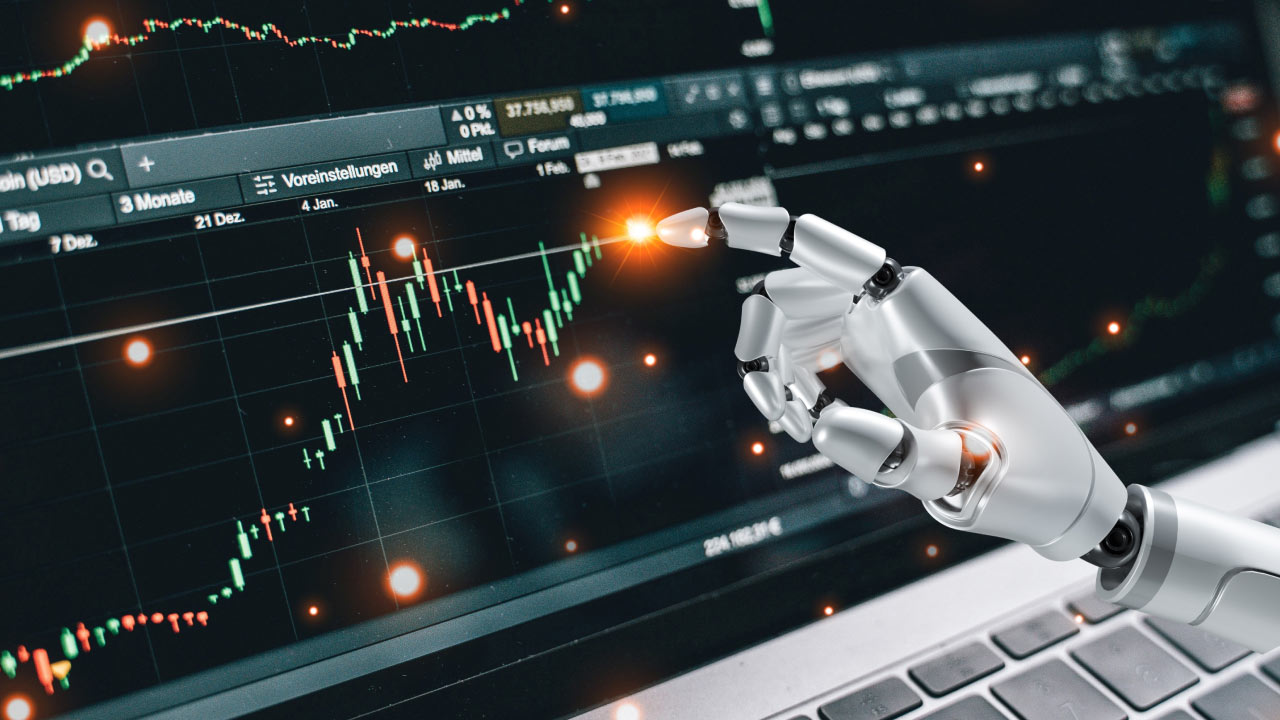
Trading futures and options are challenges where a trader must pay much attention to his time and future market volatility. For the trade to click, the Nasdaq futures' trading hours should be in alignment with the trades. Awareness around how volatility changes session-wise can help traders tweak strategy for efficiency while mitigating risk and increasing profits. Basically, chrono-volatility signifies time's role in working with strategies to affect the performance of litter.
An understanding of Chrono Volatility
Chrono-volatility implies profit and loss movements or intensity in market activity within a timeframe. In relation to futures options trading, not all hours of the day can be the same. Some periods within the Nasdaq futures trading hours attract higher volatility and liquidity, which are favorable conditions for trading. Doomed rather are low-volatility sessions, as they heighten risk and undermine earnings.
A trader, from the patterns shown, could gauge when his or her strategies are most likely to succeed. It gives room for (better) capital allocations, entry-exit timings, and anticipations of market behavior.
Nasdaq Futures Trading Hour Scenarios
The Nasdaq futures market is open the majority of the time, but the real activity is during a few sessions. The various sessions are the Pre-Market, Regular Market Hours, and Post-market. Each has its unique characteristics as far as volatility, volume, and liquidity are concerned:
- Pre-Market (4:00 AM – 9:30 AM ET): Typically low liquidity and moderate volatility. Price movement is smaller, and spreads can be wider, affecting performance of the futures options trading.
- Regular Market Hours (9:30 AM – 4:00 PM ET): High liquidity and volatility due to institutional activity, news releases, and economic data. Yet it provides the most trading opportunities.
- Post-Market (4:00 PM – 8:00 PM ET): Moderate volatility with decreasing liquidity. Some futures options strategies may deliver better performance in this time frame should they chart to current market threat.
Through the various patterns, traders can map the performance of their futures options trading strategies to specific sessions, hence being able to adjust their risk and position sizing as per the context.
Implications in Futures Options Trading
Volatility is this all-important characteristic that affects prices, risk, and the effectiveness of any strategy under the futures options trading. It is in their higher sessions that aggressive strategies like the purchase of straddles or strangles might come in, for we all seek action in big moves. Conversely, it may serve to apply the more conservative approach of vertical spreads or iron condors, where such a situation requires stability; this would be a morning spent in excessive idleness.
Being in a time that is best suited for trades and trading is better, especially when traders do so during a high liquidity period of the regular session to enhance liquidity without slippage in order to get a better execution.
Mapping Performance Across Sessions
One systematic approach is to lead to an improved chronology for performance or strategy execution on the basis of how successful or unsuccessful such an approach had been over the past. These numerical insights from historical documents convey win rates, average profit, and total drawdown to indicate which are the suitable and less suitable periods for their trading.
For example, certain options on futures strategies may thrive at the regular session's first half-hour because of increased volatility, or depict some good risk-adjusted returns in a midday lull when a trend follower tries to ride slowly.
Interesting Mixture: Risk Management and Session Selection
Chrono-volatility awareness has great implications for proper risk management. One could only imagine what would happen if a trader traded the narrow mornings using the same risk parameters as the wholly open pre-market, or the equally sleepy post-market sessions with the same risk liability as the regular market hours; this is merely why the following concern comes into the picture: implementation of specific risk categories within the given hours of trading will aid in the process of experimentation directed towards the creation of viable trading ideas. In this way, discipline will be tested against compliance without compromising the opportunity for capital preservation.
Leveraging Technology on Chrono Analysis
Modern trading interfaces and analytics tools present somewhat unfastened and direct ways for traders to map out their futures options trading performance along the Nasdaq trading sessions. Historical market data work in concert with volatility indices and session-specific performance measures in building a temporal map on which trading strategies can be successfully executed.
When adding these insights components to their trading routine, futures options traders schedule trades cleverly onto the best hours and are on the lookout for vibrations in an otherwise silent market so that they can truthfully react with new pass and play. Nothing is lost to this precisely appropriate reading by the time, including the time in the future of true decision-making, consistency, and eventual profitability.
Conclusion
Chrono volatility presents a potent grand framework with which to optimize future options trading performances across the Nasdaq futures trading hours. By evaluating temporal patterns in volatility, liquidity, and market behavior, traders can align strategies with sessions where the highest probability of success is offered.
An understanding of how each session affects pricing, fill, and the risk permits a trader to fine-tune the selection of strategies, manage the sizing of positions, and generally enhance the combined return. Futures options trading informed by chrono volatility thus becomes a shift from a reactive occupation into a systematic, time-aware approach. That is a gigantic edge inside the fiercely competitive field of Nasdaq futures markets.